
A Shift Toward Inclusive Leadership
BUSINESS
Sahasra Eevani
3/29/20261 min read

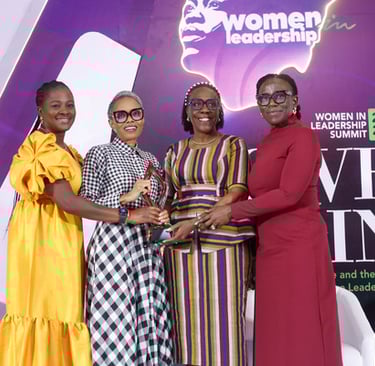
Women are taking the lead in 2026 at a pace that reflects both social progress and growing recognition of their impact. Across industries like healthcare, business, and technology, women are stepping into leadership roles and reshaping how organizations function. Leadership today emphasizes collaboration and adaptability as qualities often associated with female leadership, making organizations more effective in handling modern challenges.
According to McKinsey & Company’s Women in the Workplace report, companies with greater gender diversity in leadership are more likely to outperform financially. Similarly, according to the World Economic Forums Global Gender Gap Report, progress toward gender parity is improving but it is still uneven, with women holding a smaller share of executive roles. These findings show both the benefits of women in leadership and the need for continued progress.
In specific fields, the impact is clear: according to Harvard Business Review Studies, women score higher in leadership skills like emotional intelligence and team development. In healthcare, female-led teams have been linked to better patient outcomes.
Although challenges like unequal pay and limited mentorship still exist, the rise of women in leadership reflects a shift towards a more inclusive future. In 2026, women taking the lead is not just progress. It redefines leadership and drives meaningful change across industries.

