
Women Leading the Reproductive Rights Debate in 2026
CURRENT EVENTS
Sahasra Eevani
3/1/20262 min read
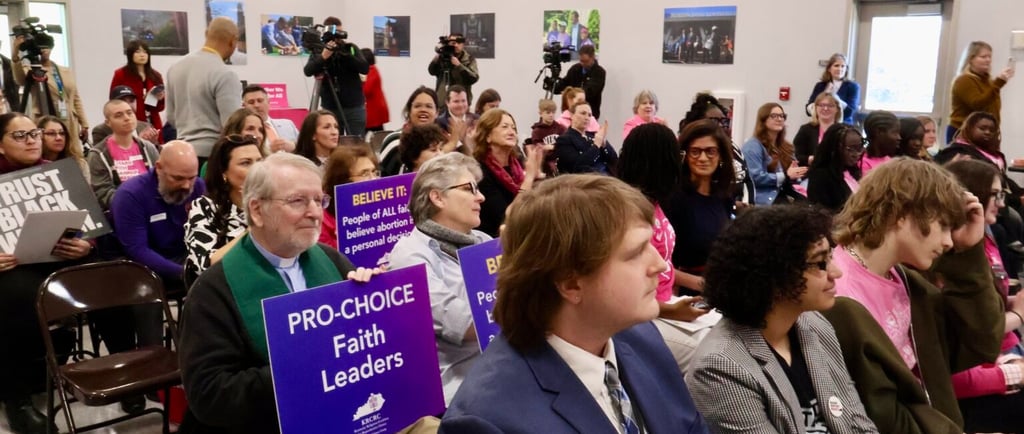
Four years after the Supreme Court overturned Roe v. Wade, reproductive rights remain one of the most influential political issues in the United States. In 2026, however, the conversation has shifted beyond court rulings alone. Women across the country have increasingly stepped into leadership roles, shaping legislation, influencing elections, and reframing reproductive healthcare as both legal and a public health issue. Rather than reacting to policy changes, many women are now driving the direction of the debate.
Legal battles over medication abortion have kept reproductive rights in the national spotlight this year. According to recent reporting from The New York Times, disputes over access to mifepristone and federal regulatory authority continue to move through the courts, raising questions about the balance between state power and federal oversight. Female attorney generals, lawmakers, and legal advocates have played central roles in filing briefs and defending access to reproductive medication. Their involvement reflects how women are increasingly shaping not just public opinion, but the legal framework surrounding healthcare.
Reproductive rights have also remained a defining issue in the 2026 election cycle. Coverage from The Washington Post during the primary season has noted that many female candidates are placing reproductive healthcare at the center of their campaigns. In several competitive states, women-led coalitions have organized voter outreach efforts focused on maternal health care, access to contraception, and state constitutional protections. These efforts suggest that reproductive policy is not only influencing the legislation, but also shaping voter turnout and political engagement
Healthcare professionals have further strengthened this leadership trend. A recent series in The Atlantic highlighted how female OBGYNs in restrictive states have testified before legislators, sharing firsthand accounts of delayed emergency care and medical uncertainty. By emphasizing patient safety and medical ethics, these physicians have refrained from engaging in reproductive rights advocacy as a matter of healthcare integrity rather than political ideology. Their testimony has added credibility and urgency to the ongoing national conversation.
Recent public opinion polling also shows that reproductive rights remain a major national issue. A 2026 poll reported by Gallup found that about 54% of Americans identify as pro-choice, indicating that a majority of the public continues to support legal access to abortion.
As the year goes on, one pattern is clear: women are increasingly defining the terms of the reproductive rights debate. From courtrooms to campaign trials to hospital hearing rooms, women are asserting influence over policies that directly affect their health care and autonomy. While laws remain divided across states, the growing presence of women in leadership roles signals that the future of reproductive rights will be shaped not only by judicial decisions but by sustained civic engagement and policy leadership.

