
Women in STEM
LEADERSHIP
Sahasra Eevani
4/12/20262 min read

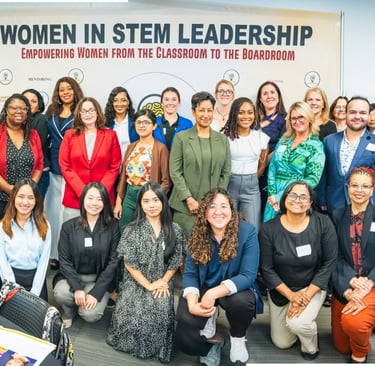
Women are increasingly taking the lead in science, technology, engineering, and mathematics, reshaping historically male-dominated industries. From biotechnology to artificial intelligence, women are not only participating–they are driving innovation, leading research teams, and influencing global decisions. This shift reflects broader societal changes, including increased access to education, targeted mentorship programs, and a growing emphasis on diversity in leadership. While progress is clear, the journey toward full equity in STEM leadership is ongoing.
One of the most significant indicators of progress is the increasing number of women entering STEM fields. According to UNESCO, women now make up about 35% of the global STEM workforce, a noticeable increase compared to previous decades. This growth is particularly visible in fields such as the life sciences and medicine, where women are increasingly holding leadership roles in research and clinical settings. These gains highlight the impact of initiatives that encourage girls and young women to pursue STEM education early.
Despite these advances, leadership gaps remain. Women are still underrepresented in top executive and decision-making positions within STEM industries. In 2025, women held only about 28% of leadership roles in tech-related companies, according to the World Economic Forum, which demonstrates that while entry into the field is improving, advancement remains a challenge. Structural barriers such as gender bias, limited networking opportunities, and work-life balance expectations continue to affectwomen’ss career progression.
At the same time, women leaders are making measurable impacts where they are present. Studies show that companies with greater gender diversity in leadership tend to outperform less diverse organizations in innovation and problem-solving. Women bring diverse perspectives that enhance creativity, collaboration, and long term strategic thinking qualities that are especially critical in rapidly evolving STEM fields. As more organizations recognize these benefits, they are investing in policies that support women’s advancement, including mentorship programs, inclusive hiring practices, and leadership development initiatives.
Ultimately, 2026 represents a pivotal moment for women in STEM leadership. While challenges persist, the combination of increasing participation, proven impact, and growing institutional support suggests a promising future. Continued progress will depend on sustained efforts to remove systemic barriers and empower the next generation of women leaders. By doing so, society not only moves closer to gender equality but also unlocks the full potential of innovation and discovery.

