Women Athletes Leading the Fight for Equality in Sports in 2026
CURRENT EVENTS
Sahasra Eevani
3/15/20262 min read
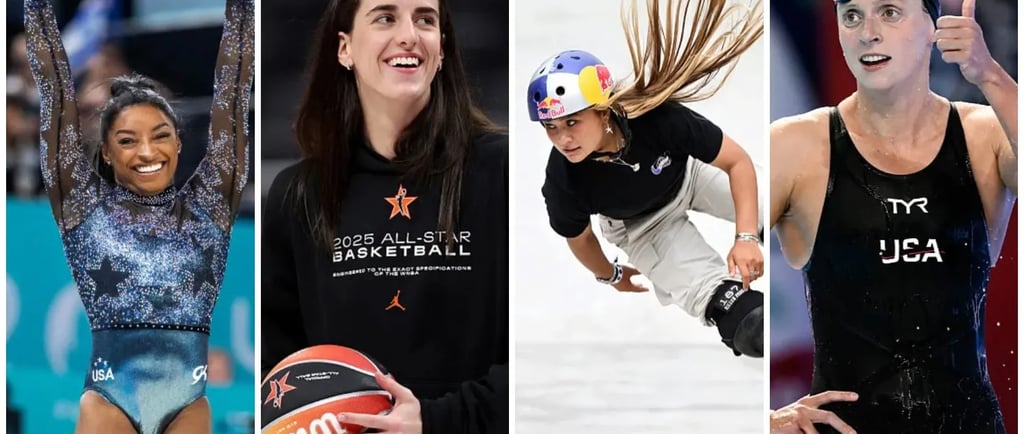
In 2026, female athletes are at the forefront of the fight for equality in sports, using their platforms to challenge long-standing inequalities in pay, media coverage, and respect. Athletes are no longer just competitors; they are leaders and activists, and role models pushing for systemic change. From professional leagues and global competitions, women are demanding fair treatment and reshaping the future of sports.
Recent progress highlights both success and ongoing challenges. Organizations like the WNBA have seen increased investment, higher salaries, and greater visibility, while the U.S. women’s national teams have secured equal-pay agreements. Still, disparities remain as female athletes receive significantly less media coverage than male athletes, and sponsorship deals are often smaller despite equal or greater performance. These gaps show that while progress has been made, full equality has not yet been achieved.
Athletes themselves have played a major role in driving this change. Figures like Megan Rapinoe have been outspoken about equal pay and gender rights, using both legal action and public advocacy to push for reform. Similarly, Simone Biles has used her influence to advocate for athlete well-being, mental health, and respect for women in sports. Their leadership has inspired a new generation of athletes to speak out, making activism a central part of modern sports culture.
Beyond individual voices, collective action has strengthened the movement. Women’s teams and leagues are negotiating better contracts, increasing visibility through social media, and building fan bases that demand change. According to McKinsey & Company, women’s sports are growing rapidly, with revenue increasing 4.5 times faster than in men’s sports in recent years, and showing rising interest and investment. This growth reflects a shift in audience support and proves that women’s sports are not only valuable, but increasingly in demand.
However, challenges persist despite this progress. Inequality remains clear, as per the International UN, women’s sports only receive about 15% of total media coverage, limiting visibility and opportunities for female athletes. This lack of exposure affects sponsorship deals, funding, and overall recognition, making it harder for women to reach the same level of success and support as their male counterparts. These disparities highlight that growth alone is not enough to achieve true equality.
In 2026, female athletes are not just competing; they are leading a movement. Through advocacy, performance, and persistence, they are transforming the sports industry and proving that equality is not optional, but necessary. Their efforts continue to push boundaries, inspiring future generations and redefining what leadership in sports looks like.

