
The Global Fight for Afghan Girls’ Education
CURRENT EVENTS
Sahasra Eevani
2/16/20262 min read
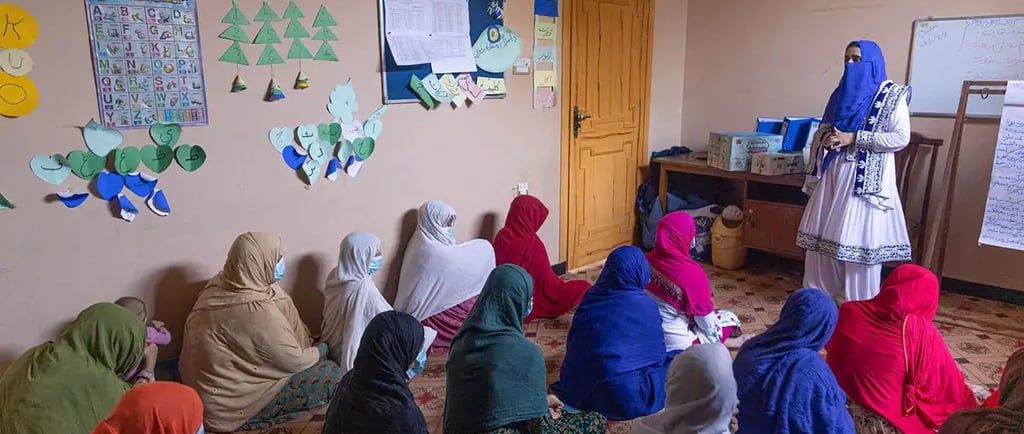
Women’s empowerment is not just about equality. It’s also about basic human rights and dignity for all women. One of the most urgent global issues as of early 2026 is the restriction on Afghan girls’ and women’s education under the Taliban government. Millions of girls in Afghanistan are still denied access to secondary and higher education, highlighting how critical empowerment through education remains globally.
In January 2026, UNICEF and UNESCO reported that more than 2 million adolescent girls in Afghanistan are currently denied access to secondary education due to discriminatory policies imposed by the Taliban government. These agencies emphasized that Afghanistan is the only country in the world to effectively ban girls from secondary and higher education. This situation continues to undermine the futures of millions of young women (“More than 2 Million Afghan Girls Denied Secondary Education, Says UN”).
In early February, the International Day of Women and Girls in Science highlighted that millions of Afghan girls continue to live under these policies that prevent them from learning beyond basic levels. Even basic rights, such as attending specialized schools or pursuing academic subjects needed for careers, are strictly restricted. These realities illustrate the denial of education as well as the suppression of women’s voices in society (“Former Afghan President Hamid Karzai Has Posted Online That Societal Growth Depends on Women and Girls Having Access to Areas like Science”).
Despite these harsh conditions, Afghan women and girls continue to demonstrate resilience, as some of them have turned to underground and online learning to continue their education and develop skills. Others use platforms, community efforts, and international support systems to share their stories, teach, and advocate for change. These efforts demonstrate that empowerment can take many forms, even under oppression.
This situation emphasizes that women’s empowerment cannot exist without access to education. When girls are denied the opportunity to learn, they are excluded from economic independence and leadership roles that could create positive change in their communities. In response, global organizations and activists continue to advocate for safe,equitable access to education, supporting programs that promote girls’ learning while applying diplomatic pressure towards governments that deny these basic rights.
Empowering women through education is not merely a moral imperative; it is essential for building equitable and stable societies. Ensuring that every girl has the right to learn is a powerful step toward gender equality, both now and for future generations.

